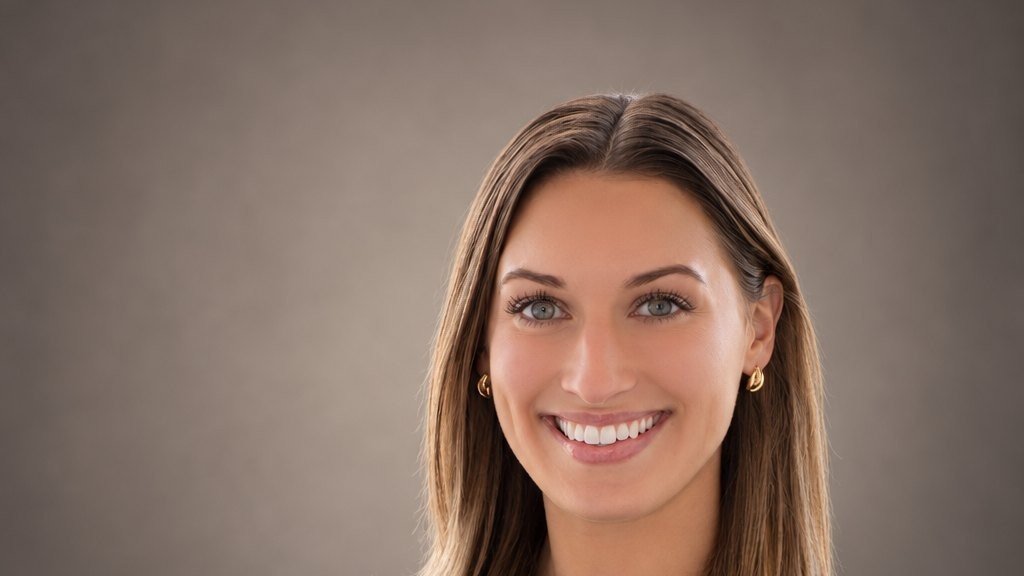
Most sellers never talk to a second agent. In the National Association of Realtors' 2025 Profile of Home Buyers and Sellers, which surveyed people who bought or sold between July 2024 and June 2025, 80 percent of recent sellers contacted only one agent before hiring. Whatever comparing they did, they did before the phone rang.
A referral hands someone a name, and a name gets looked up: the brokerage roster, a Zillow profile, a Google result, an Instagram grid, the sign in front of a listing down the street. Your face is on every one of them. It is the first meeting, and it happens without you in the room.
So the headshot is not decoration. It is working before you are.
The Choice Happens Before the Call
NAR's 2025 Profile found that 66 percent of recent sellers used an agent who was referred to them or one they had worked with before. On the buying side, 43 percent of buyers were referred to their agent by a friend, neighbor or relative, and 74 percent interviewed only one agent.
Clients arrive with a name and little appetite for shopping around. They are deciding whether to make one call, and they decide on what they can see.
Sellers in the same survey ranked the agent's reputation first when choosing, at 35 percent, followed by honesty and trustworthiness at 22 percent. A photo cannot prove either. It is often a stranger's first evidence of both.
Note what the headshot is not doing. Only 1 percent of sellers found their agent through a social media page with no prior connection. Your face rarely introduces you. It confirms, or unsettles, an introduction someone else already made.
What a Headshot Actually Has to Do
Faces are read fast. In a 2006 study in Psychological Science, Janine Willis and Alexander Todorov showed people unfamiliar faces for as little as 100 milliseconds. Judgments of trustworthiness, competence and likeability made in that tenth of a second lined up closely with judgments made with no time limit. More time did not significantly sharpen the match. It mostly made people more confident.
That is the window your photo works in. Inside it, a headshot has four jobs.
1. Look like you on the day you meet
The person who walks up to the front door should be the person in the photo. Same hair, same glasses or no glasses, the same general look you bring to a listing appointment. The goal is recognition, not improvement.
2. Be current
If a new client would need a second look to match the photo to the person in front of them, it is out of date. A new hairstyle, new glasses, or a beard grown or shaved all count.
3. Be approachable
A relaxed expression, eyes to the lens and a plain background read as open. A stiff, heavily lit studio look can read as distant, and a casual snapshot can read as unprepared.
4. Match everywhere
Use one photo across every profile. A seller who sees one face on your brokerage page and a different one on Zillow has to stop and reconcile them. That small pause is the opposite of what you want.
Why the Wedding Crop and the Old Portrait Cost Trust
It is tempting to think any decent photo will do, since you are the same person in all of them. In a 2014 paper in Psychological Science, Alexander Todorov and Jenny Porter found otherwise: different photos of the same person produce different impressions, and the variation within one person's photos can match or exceed the variation between different people. People also picked different images for different purposes, such as a dating profile versus a political campaign.
A cropped wedding photo was chosen for a wedding. It was not made to say "I will price your home carefully and return your calls." The tight crop, the stray shoulder at the edge and the party lighting all tell a stranger something, and not the thing you need.
The ten-year-old portrait has a different cost. It works online and fails at the door. The client's first moment in person goes to matching your face to the one they expected, and that small surprise lands before you have said a word.
Photos change behavior, not only opinions. A 2016 study in Tourism Management by Eyal Ert, Aliza Fleischer and Nathan Magen looked at Airbnb, where hosts show their own photos. Hosts who looked more trustworthy in their photos charged higher prices and were more likely to be chosen. Trusting a stranger with something valuable is not far from choosing a listing agent.
A headshot makes a promise about who will show up at the door. The first meeting should keep it.
Let Someone Else Choose the Frame
Picking your own headshot may be the weakest step in the process. In a 2017 study in Cognitive Research: Principles and Implications, David White, Clare Sutherland and Amy Burton asked 610 people to judge photos, of themselves or of a stranger, as profile pictures for social, dating and professional sites. The photos chosen by strangers made better impressions than the ones people chose for themselves. A 2021 correction fixed a data error in the paper and reported that it did not change the main results.
So shortlist a handful of frames with the photographer, then let two or three people you trust make the pick, ideally someone who does not know you well. Your favorite is often the one where you like your hair. Theirs is the one where you look like someone they would call.
How to Prepare for a Headshot Session
Prepare the way you would ask a seller to prepare for a listing shoot: most of the work happens before the camera arrives.
1. Wardrobe
Wear what you would wear to a listing appointment, a notch sharper. Solid, mid-tone colors photograph well. Skip busy patterns, fine stripes, logos and anything you keep adjusting. Make sure it fits through the shoulders and collar, and press it.
2. Timing
Get a haircut a week ahead, not the morning of, so it has settled. Book a time when you are rested, not one wedged between two showings. And book it before you need it, not the week new cards or a brokerage announcement are due.
3. What to bring
Two or three outfits, including one layer you can add or remove. Your everyday glasses, if you wear them. A short list of where the photo will go, so vertical, horizontal and square crops all come out of one sitting.
4. On the day
Expect the first frames to be stiff. Everyone's are. Talk to the photographer, think about a client you like working with, and let your normal expression come back.
Update Every Profile the Same Week
A new headshot only works once it replaces the old one everywhere. Do it in a single week, from a list: brokerage roster and MLS profile, Zillow, Realtor.com, your Google Business Profile, LinkedIn, Instagram and Facebook, your email signature and website, then business cards, sign riders and any print still in circulation.
One push matters because a mix of old and new photos is worse than either. It is the consistency problem again, spread across the search results a seller scrolls before calling.
After that, when your look changes, the photo changes. And a headshot is the start of the first meeting, not all of it. An intro video does the same job with more time, on the same logic as a walkthrough video for a house: show what is actually there, so the visit confirms it.